Thuis / Modules / Functionele lijnarrayluidsprekermodule

Aangepast Functionele lijnarrayluidsprekermodule

OVER ONS

Ningbo Zhenhai Huage Electronics Co., Ltd.

Wij zijn een professionele audio-onderneming die onderzoek en ontwikkeling, productie en verkoop integreert. is een professionele Functionele lijnarrayluidsprekermodule Fabrikanten en Functionele lijnarrayluidsprekermodule Fabriek. Al vele jaren richten wij ons op de productie van mengpanelen, actieve eindversterkers, microfoons en aanverwante elektronische componenten, apparatuur en andere producten.
Wij zijn gespecialiseerd in Aangepast Functionele lijnarrayluidsprekermodule en andere producten. Door de jaren heen heeft het bedrijf zich gehouden aan het bedrijfsbeleid van goede producten, goede service en goede reputatie, en heeft het langdurige en stabiele samenwerkingsrelaties opgebouwd met veel bedrijven in binnen- en buitenland, en heeft het lange tijd OEM-diensten geleverd aan vele bekende audiomerken. Klanten uit alle sectoren zijn welkom om te bezoeken, te begeleiden en zaken te bespreken. Het bedrijf beschikt over professionele ontwerp-, productie- en testteams en kan producten aanpassen aan de wensen van de klant.

Een functionele line array-luidsprekermodule is een type audiosysteem dat is ontworpen om een ​​gelijkmatige geluidsdekking over een groot gebied te bieden. Het bestaat uit een reeks luidsprekerdrivers die in een verticale lijn zijn opgesteld en die kunnen worden geconfigureerd om gerichte geluidsverspreiding te bieden. De individuele drivers zijn vaak voorzien van hoorns om hun efficiëntie en projectiemogelijkheden te vergroten.

Line array-luidsprekermodules worden vaak gebruikt in grote locaties zoals concertzalen, stadions en openluchtfestivals, waar een krachtig en helder geluidssysteem nodig is om een ​​groot publiek te bereiken. Door meerdere in een lijn opgestelde drivers te gebruiken, kan de line array-luidspreker een meer gefocust en gecontroleerd geluidsveld bieden, waardoor de behoefte aan extra geluidsversterkingsapparatuur wordt verminderd en een grotere helderheid en volume mogelijk is.

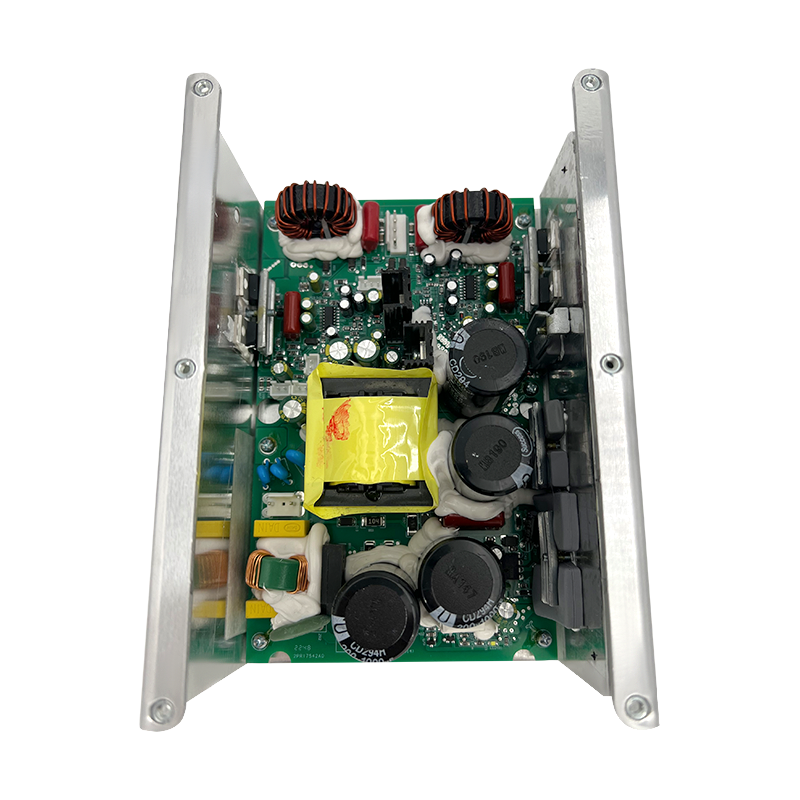
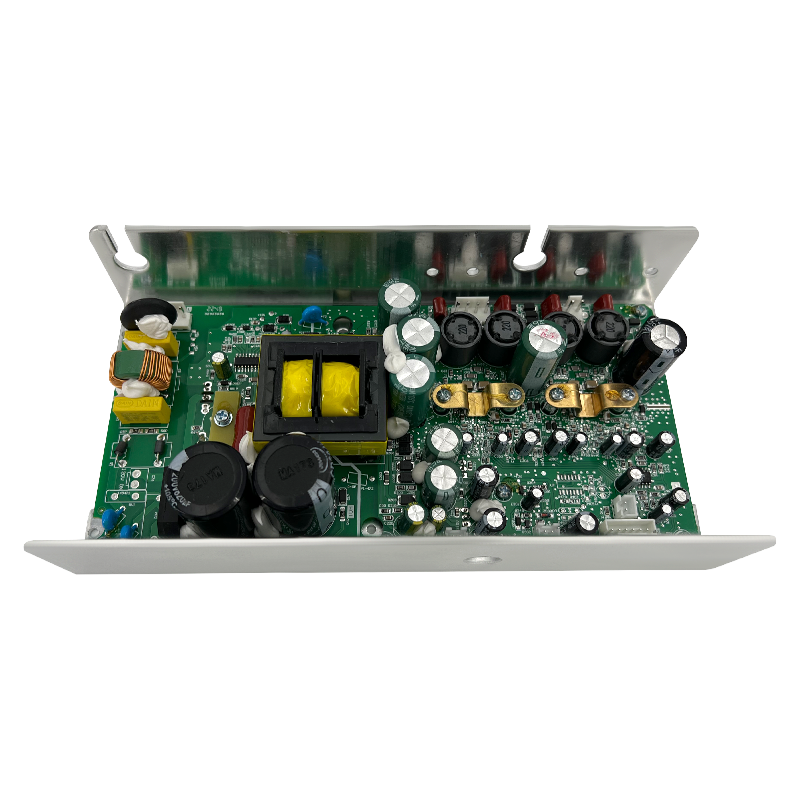
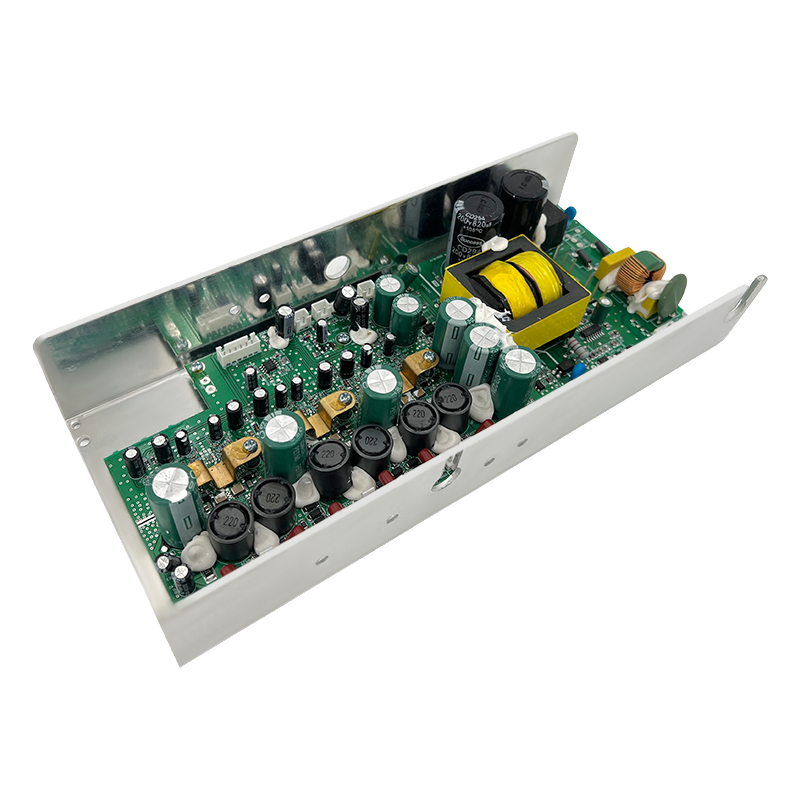
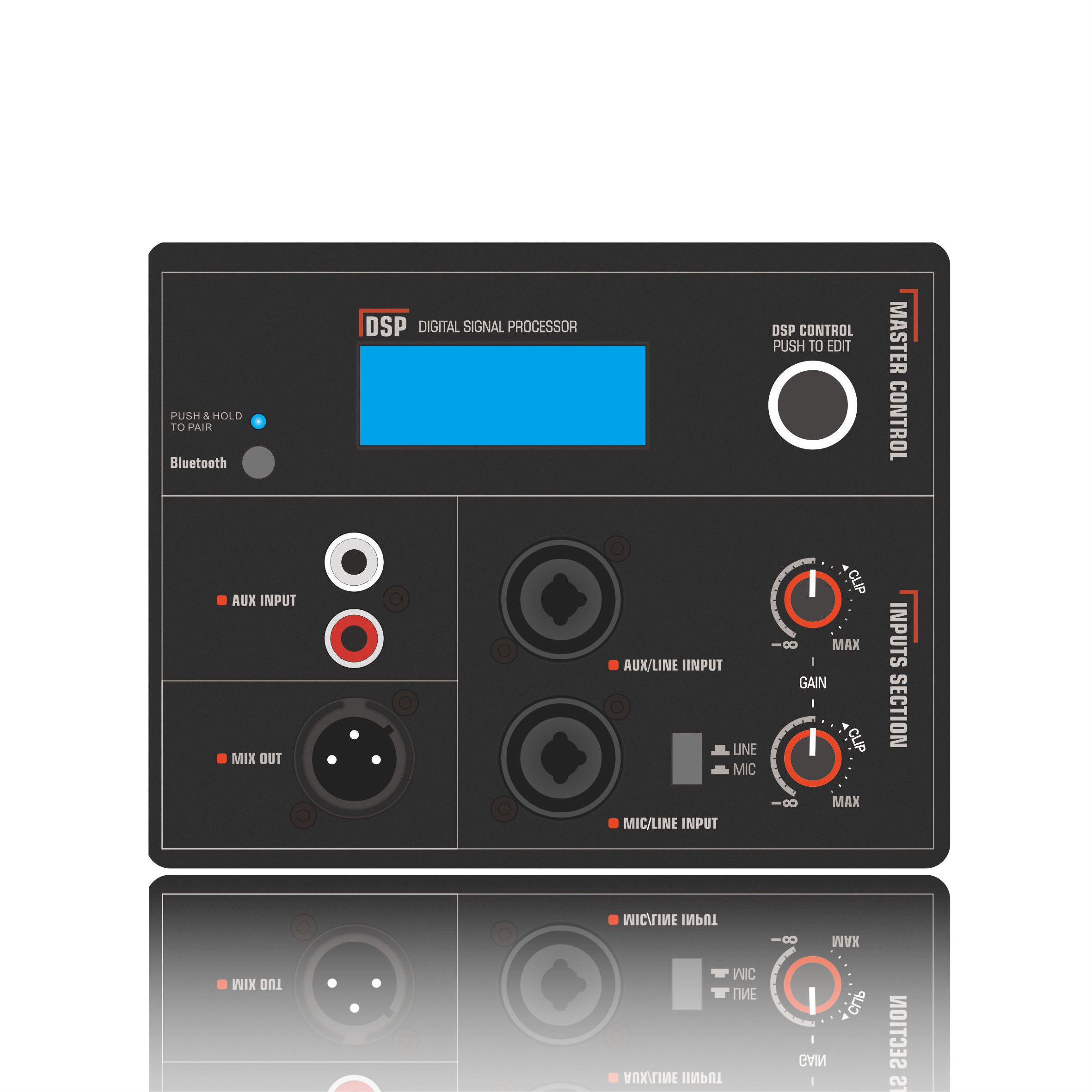
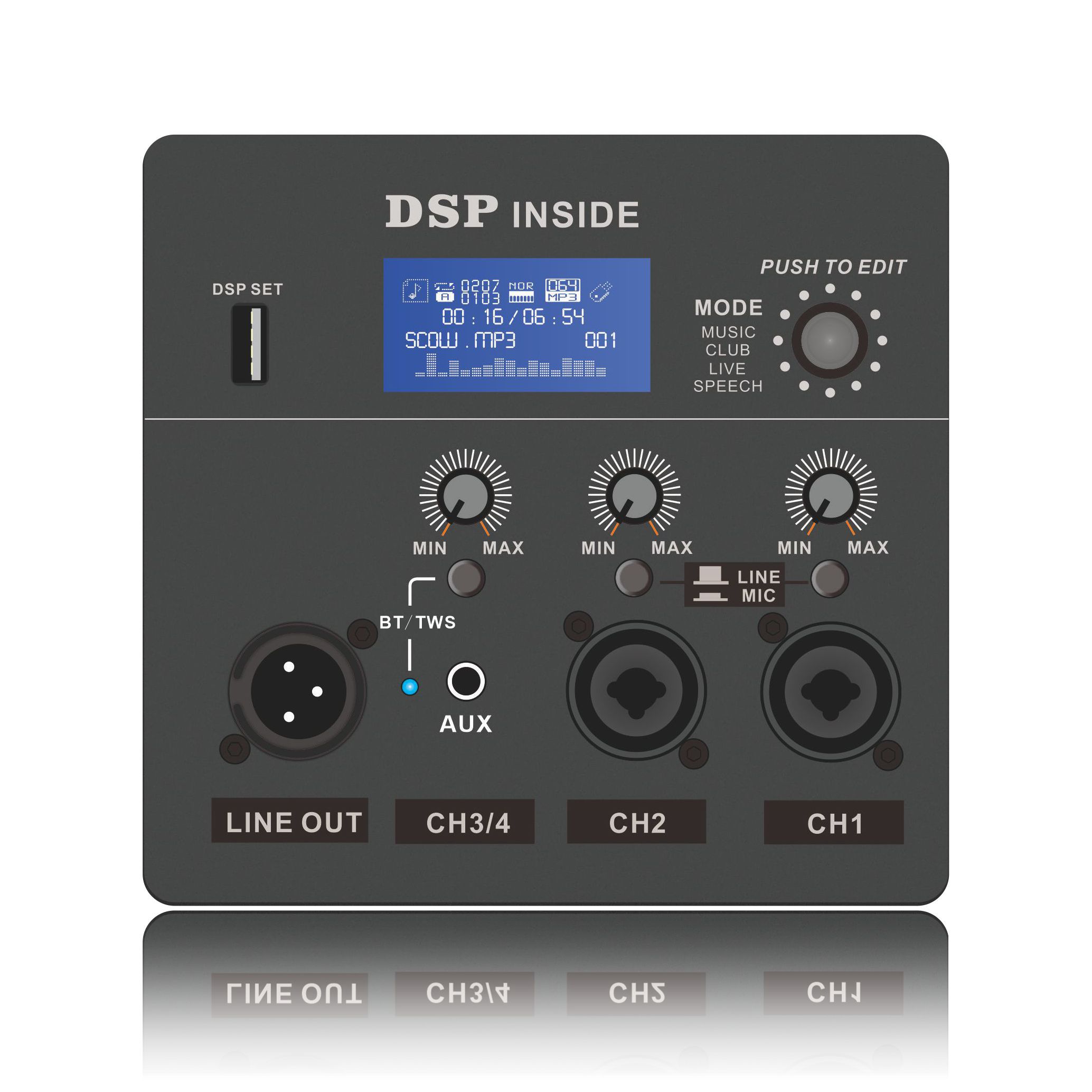
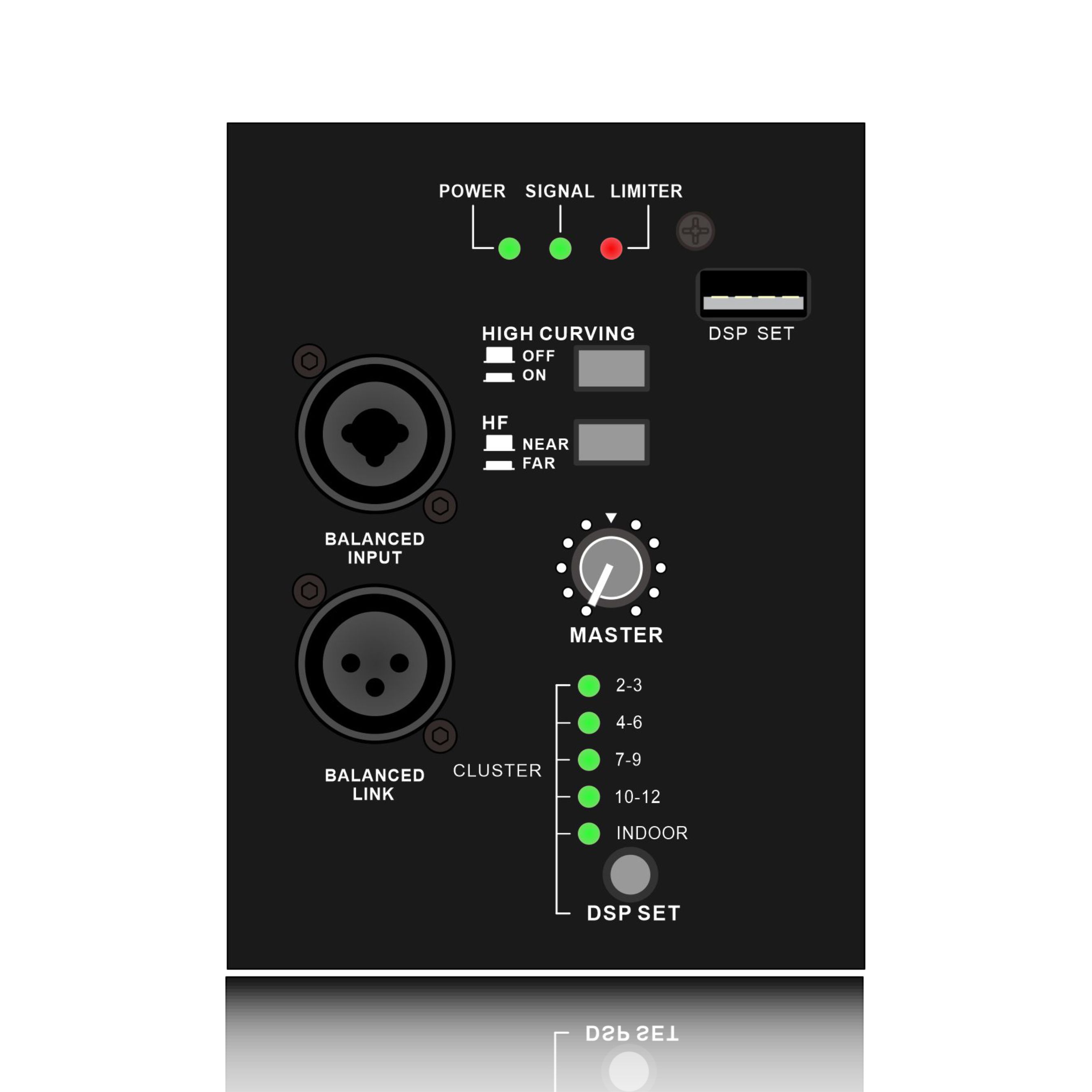
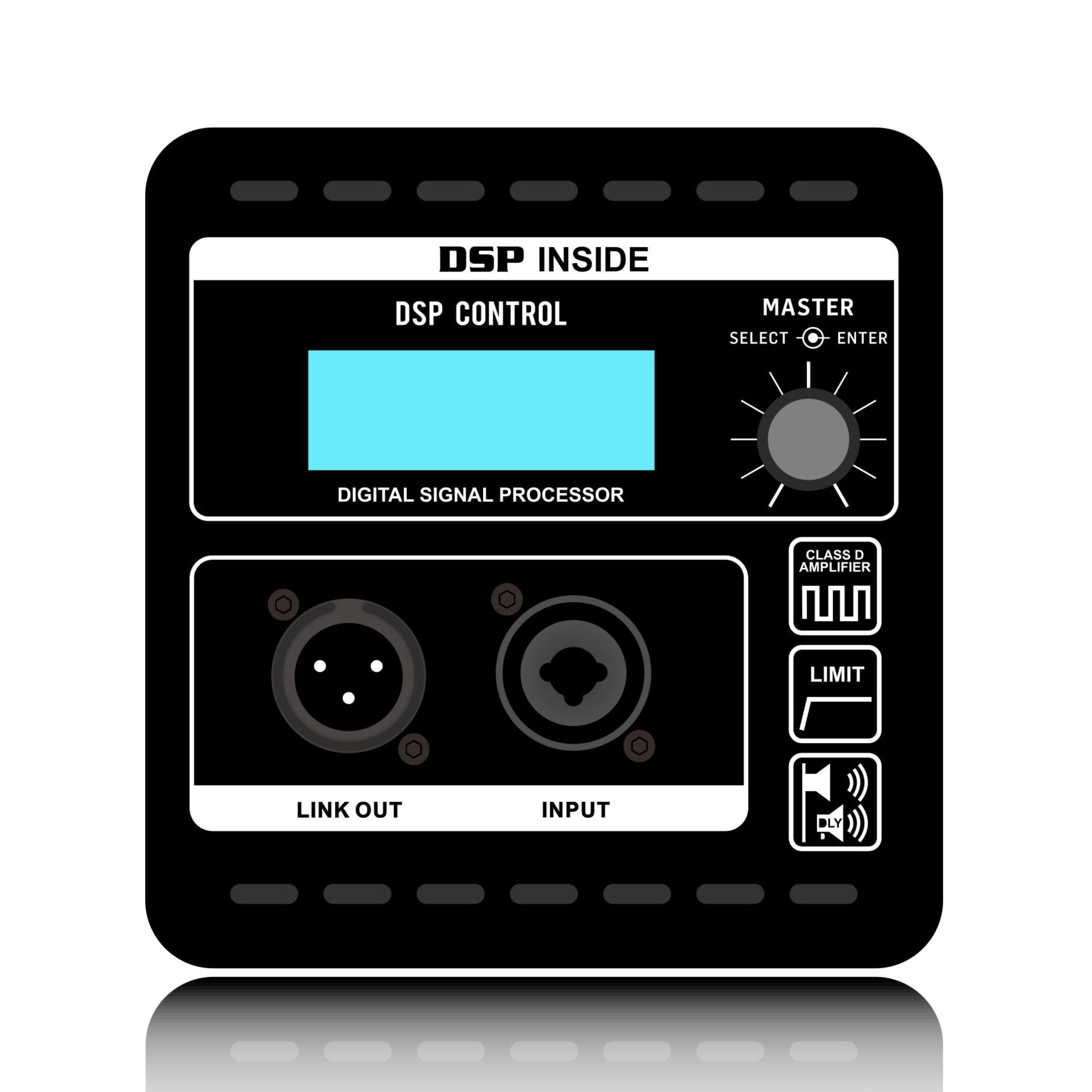
Naast de luidsprekerdrivers bevat een functionele line array-luidsprekermodule doorgaans een reeks signaalverwerkings- en versterkingscomponenten om optimale prestaties en geluidskwaliteit te garanderen. Dit kunnen onder meer digitale signaalverwerking, egalisatie en crossover-circuits zijn, maar ook krachtige eindversterkers om de luidsprekers aan te sturen.

NIEUWS

NIEUWS EN BLOGS

Populaire producten

Functionele lijnarrayluidsprekermodule Fabriek

Ontwikkeling van branchekennis

Enhancing Audio Quality: The Role of Line Array Speaker Functional Modules

Line array speaker systems are commonly used in professional audio applications, such as concerts, conferences, and large venues, to provide high-quality sound reinforcement. These systems consist of multiple speaker modules arranged vertically, with each module containing several individual drivers. The design and configuration of these functional modules play a significant role in enhancing audio quality. Here are some key aspects to consider:

   Driver Configuration: Line array systems typically employ different types of drivers, such as woofers, midrange drivers, and tweeters, to cover a wide frequency range. The specific arrangement and configuration of these drivers within each module are crucial for achieving balanced audio reproduction. By carefully selecting and positioning the drivers, line arrays can achieve a consistent and even sound distribution across the listening area.
    Waveguide Design: The waveguide is a critical component in line array speakers that helps control the dispersion of sound. It ensures that the sound energy is focused in a specific direction, allowing for better coverage and reduced unwanted reflections. The shape and dimensions of the waveguide influence the directivity and dispersion characteristics of the speaker system. Well-designed waveguides can minimize off-axis coloration and improve overall audio quality.
    Crossover Network: The crossover network divides the audio signal into different frequency bands and routes them to the appropriate drivers. It ensures that each driver operates within its optimal frequency range, preventing distortion and maintaining clarity. High-quality crossover components and careful crossover design are essential for seamless integration between the drivers, avoiding phase issues and achieving a coherent sound output.
    Signal Processing: Line array systems often incorporate advanced digital signal processing (DSP) capabilities. DSP can be used to apply various corrective measures, such as equalization, delay, and phase alignment, to optimize the audio performance. By addressing room acoustics and compensating for system-specific characteristics, DSP can significantly enhance audio quality and ensure a consistent sonic experience.

Optimizing Sound Performance: Understanding Line Array Speaker Functional Modules


Line array speakers are widely used in professional sound reinforcement systems, particularly in large venues or outdoor events. They offer several advantages over traditional point-source speaker configurations, such as improved coverage, increased sound pressure levels, and better control of sound dispersion. To understand line array speaker functional modules and optimize sound performance, let's explore the key components typically found in a line array system:
    Individual Speaker Elements: The basic building blocks of a line array are individual loudspeaker elements or drivers. These drivers are typically specialized for specific frequency ranges, such as woofers for low frequencies, mid-range drivers, and compression drivers or tweeters for high frequencies. Each individual driver is responsible for reproducing a particular portion of the audio spectrum.
    Driver Enclosures: The drivers are housed in individual enclosures designed to provide optimal acoustic characteristics for their respective frequency ranges. These enclosures are often cylindrical or rectangular in shape and are carefully engineered to control sound dispersion and minimize interference between adjacent drivers.
    Rigging and Flying Hardware: Line array speakers are designed to be flown or suspended above the ground for optimal coverage. Rigging hardware, such as steel frames, brackets, and flying points, is used to securely suspend the speaker elements in a vertical line or an array shape. Rigging systems allow for precise aiming and angling of the speakers to achieve the desired coverage pattern.
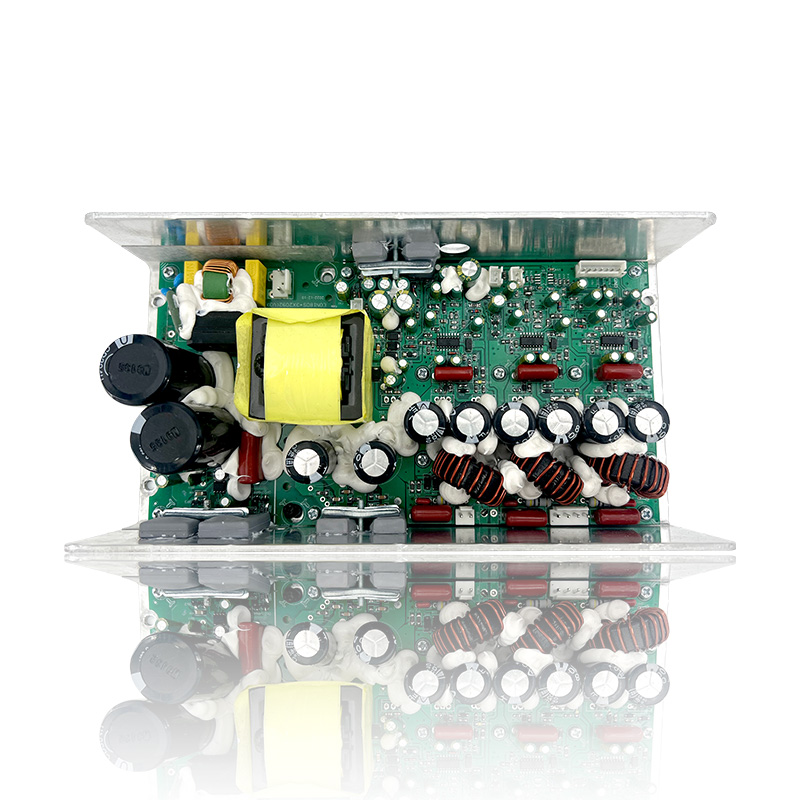
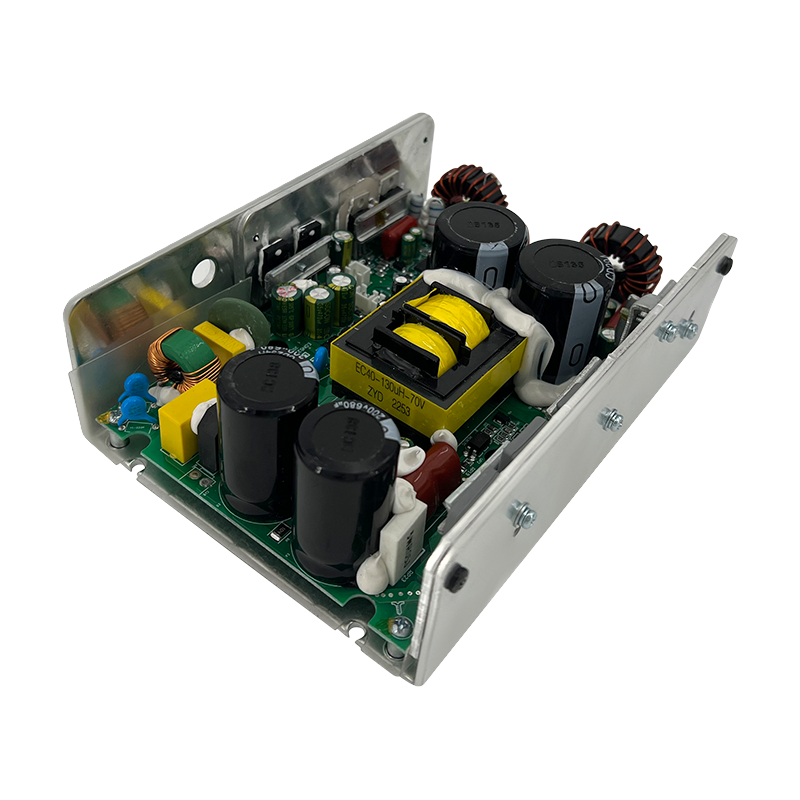
    Amplifiers: Each driver or group of drivers in a line array requires dedicated amplification to provide sufficient power for optimal performance. Amplifiers are typically chosen based on the specific power and impedance requirements of the drivers. In some cases, line array speakers come with built-in amplification modules, simplifying the setup and configuration process.
    Signal Processing and Control: Line array systems often incorporate sophisticated signal processing and control capabilities to ensure uniform coverage and consistent sound quality. Digital signal processors (DSPs) are employed to implement functions like equalization, crossover filtering, time alignment, and limiting. Additionally, control software or hardware allows users to adjust system parameters and optimize performance based on the venue and audience requirements.
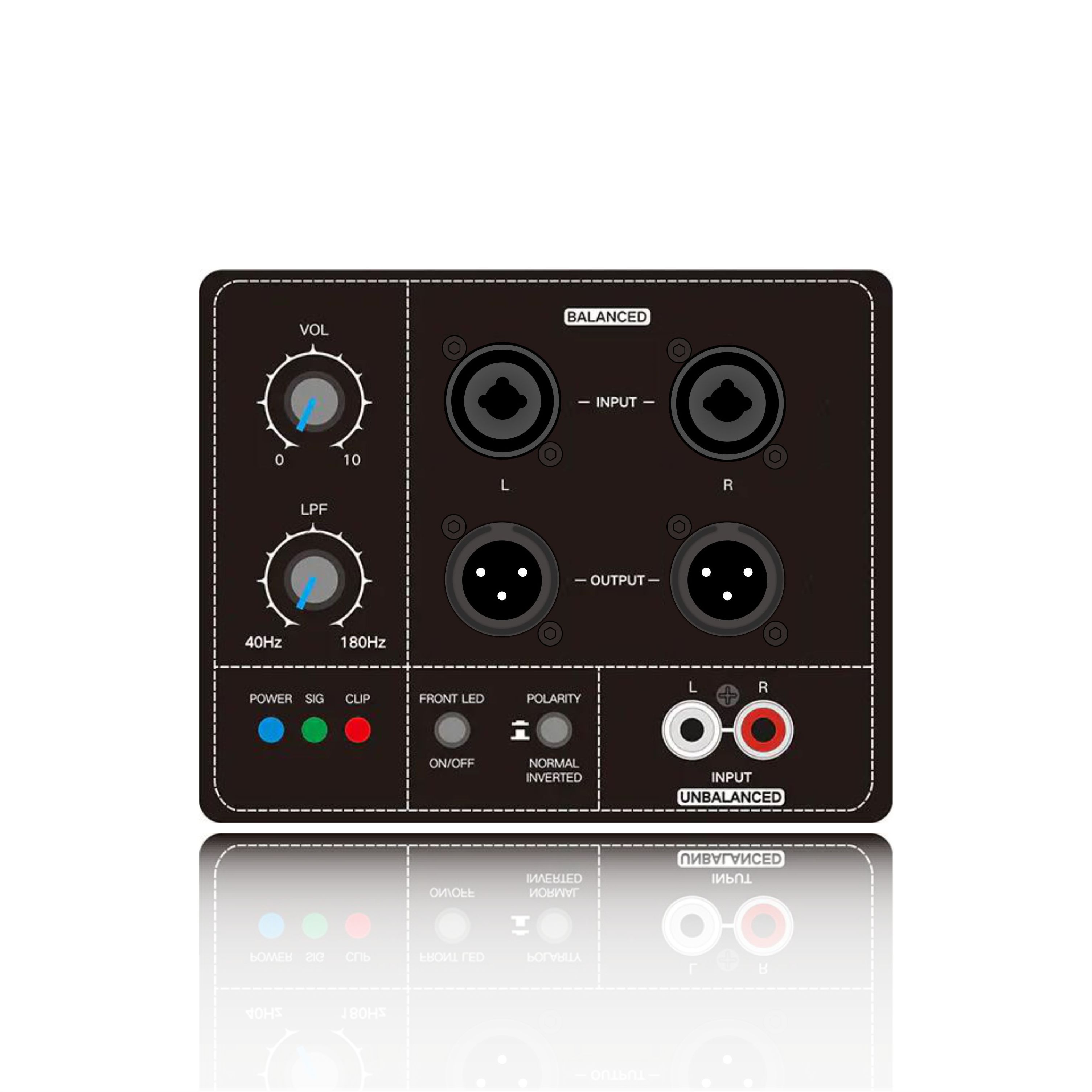
    Subwoofers and Low-Frequency Support: In many line array setups, subwoofers are used to reinforce the low-frequency content of the audio. Subwoofers are specialized loudspeakers designed to reproduce deep bass frequencies with high efficiency. They are often positioned below or alongside the line array elements to enhance the overall system's low-frequency response and provide a full-range audio experience.